

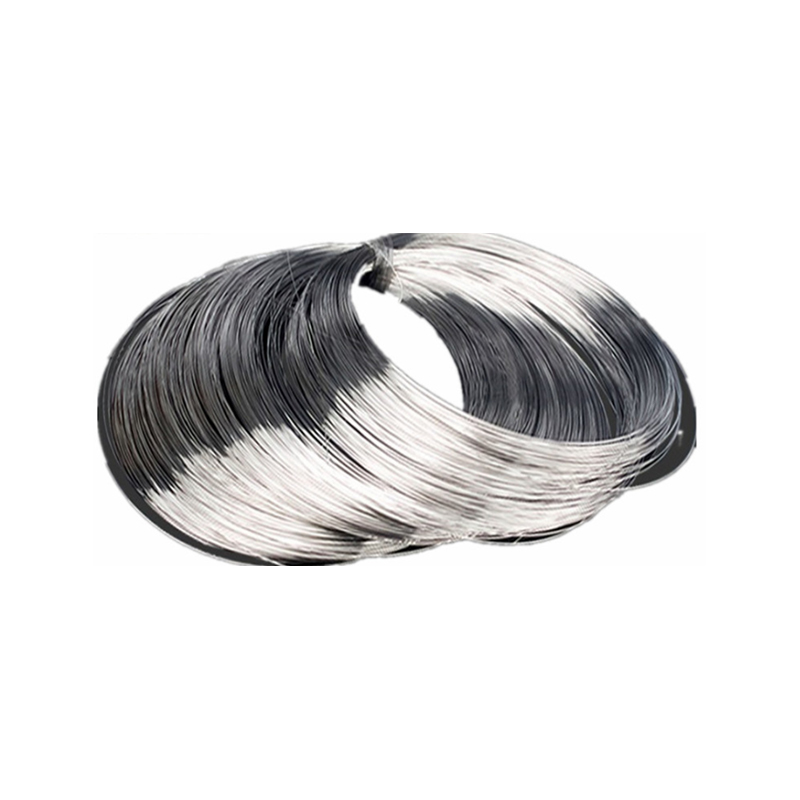
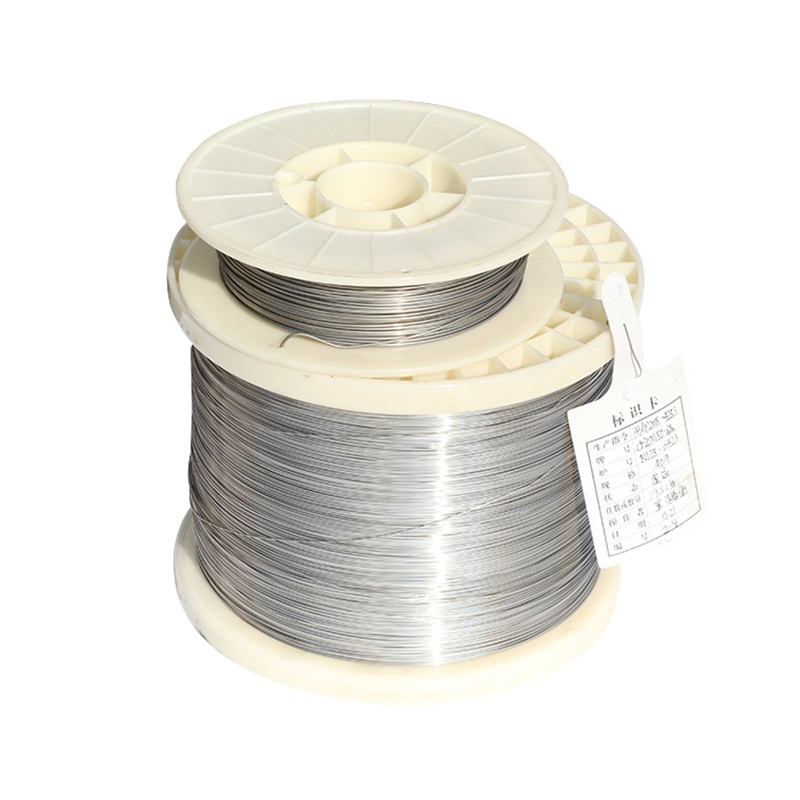
Monel alloy is a family of nickel-copper alloys, typically containing 63–70% nickel and 28–34% copper, prized for outstanding corrosion resistance, high strength, and excellent performance in seawate...
READ MORE
Nieuws
Thuis / Nieuws / Industrie nieuws / What Is Monel Alloy? A Complete Guide to Composition, Properties, and Uses

What Is Monel Alloy? A Complete Guide to Composition, Properties, and Uses
Date:Jun 22, 2026
Monel alloy is a family of nickel-copper alloys, typically containing 63–70% nickel and 28–34% copper, prized for outstanding corrosion resistance, high strength, and excellent performance in seawater, acidic, and high-temperature environments. Developed by International Nickel Company in 1901 and named after company president Ambrose Monell, Monel metal alloy has become a go-to material in marine engineering, chemical processing, oil and gas, aerospace, and pump/valve manufacturing. Unlike stainless steel, which relies on a chromium oxide layer for corrosion protection, Monel resists corrosion through its nickel-rich matrix, making it far more durable in chloride-rich and non-oxidizing acidic environments.
This guide explains what Monel is made of, breaks down the composition of Monel metal grade by grade, compares Monel vs stainless steel in practical terms, and covers real-world uses — from Monel 400 springs to Monel forging — so you can decide whether this alloy is right for your application.
What Is Monel Alloy?
Monel alloy is a group of nickel-based alloys in which nickel is the primary element and copper is the second-largest component, with small additions of iron, manganese, carbon, and silicon. The defining feature of Monel alloys is their solid-solution strengthening — nickel and copper are fully miscible in all proportions, which means Monel cannot be hardened by heat treatment alone (except for the K-500 grade, which contains aluminum and titanium for precipitation hardening).
Monel metal alloy was originally derived from naturally occurring nickel-copper ore deposits, primarily from the Sudbury Basin in Ontario, Canada. Today it is produced through controlled melting and alloying processes to ensure consistent composition and mechanical properties across every batch.
Why "Monel Metal" and "Monel Alloy" Mean the Same Thing
You'll often see the terms "Monel metal," "Monel alloys," and "montel metal" (a common misspelling) used interchangeably in industry literature. They all refer to the same nickel-copper alloy family. The "Monel" designation is technically a registered trade name originally owned by Special Metals Corporation, though it is now used broadly to describe this class of nickel-copper alloys across the metals industry.
What Is Monel Made Of? Composition of Monel Metal Explained
The composition of Monel metal is what gives it its unique balance of strength, ductility, and corrosion resistance. Standard Monel 400 contains approximately 63–70% nickel, 28–34% copper, up to 2.5% iron, and up to 2% manganese, with trace amounts of carbon, silicon, and sulfur. This nickel-dominant composition is the reason Monel outperforms many stainless steels in reducing and chloride-bearing environments.
Below is a breakdown of the typical chemical composition of Monel metal for the most common grade, Monel 400:
| Element | Percentage (%) |
|---|---|
| Nickel (Ni) | 63.0 – 70.0 |
| Copper (Cu) | 28.0 – 34.0 |
| Iron (Fe) | 2.5 max |
| Manganese (Mn) | 2.0 max |
| Carbon (C) | 0.3 max |
| Silicon (Si) | 0.5 max |
| Sulfur (S) | 0.024 max |
How Composition Changes Across Monel Alloys
While Monel 400 is the base alloy, other Monel alloys adjust the composition to achieve specific properties:
- Monel K-500 adds 2.3–3.15% aluminum and 0.35–0.85% titanium, enabling age-hardening for significantly higher strength than standard Monel 400.
- Monel 405 has a controlled, slightly higher sulfur content to improve free-machining characteristics for screw-machine parts.
- Monel R-405 is a resulfurized version optimized specifically for high-speed automatic machining.
Key Properties of Monel Alloy
Monel alloys are valued across heavy industry because they combine mechanical strength with chemical resistance in ways few other metals can match. The single biggest advantage of Monel is its resistance to corrosion in seawater and non-oxidizing acids, including hydrofluoric acid and sulfuric acid at moderate concentrations.
Mechanical Properties
Monel 400 typically exhibits a tensile strength of 70,000–85,000 psi (480–585 MPa) in the annealed condition, with yield strength around 28,000–40,000 psi (195–275 MPa) and elongation of 35–50%. Monel K-500, after age hardening, can reach tensile strengths of 140,000–160,000 psi (965–1100 MPa) — nearly double that of the standard grade, which is why Monel K-500 is the preferred choice for high-stress applications like Monel 400 springs' high-performance counterpart and fasteners.
Corrosion Resistance
Monel resists corrosion from flowing seawater, brine, and many acids and alkalis better than nickel or copper alone. It is virtually immune to chloride-induced stress corrosion cracking, a common failure mode for austenitic stainless steels in marine and chemical environments.
Thermal and Physical Properties
Monel retains useful strength from cryogenic temperatures up to about 1,000°F (538°C), and it is non-magnetic (with the exception of K-500 below certain temperatures), making it suitable for sensitive instrumentation and subsea equipment.
| Property | Monel 400 | Monel K-500 |
|---|---|---|
| Tensile Strength | 70,000–85,000 psi | 140,000–160,000 psi |
| Yield Strength | 28,000–40,000 psi | 100,000–115,000 psi |
| Elongation | 35–50% | 20–30% |
| Heat Treatable | No | Yes (age hardening) |
What Is Monel 400? The Industry-Standard Grade
Monel 400 is the original and most widely used grade of Monel alloy, registered under UNS N04400. It is a single-phase, solid-solution alloy that cannot be strengthened by heat treatment, only by cold working, which gives fabricators flexibility when forming components like tubing, fasteners, and pump shafts.
Monel 400 material is supplied in multiple forms — sheet, plate, bar, wire, tubing, and forgings — and is governed by ASTM specifications such as ASTM B127 (plate/sheet) and ASTM B164 (rod/bar). Because it retains ductility and toughness from sub-zero temperatures up to roughly 480°C, it is a common choice for cryogenic storage tanks as well as high-temperature process piping.
Common Forms of Monel 400
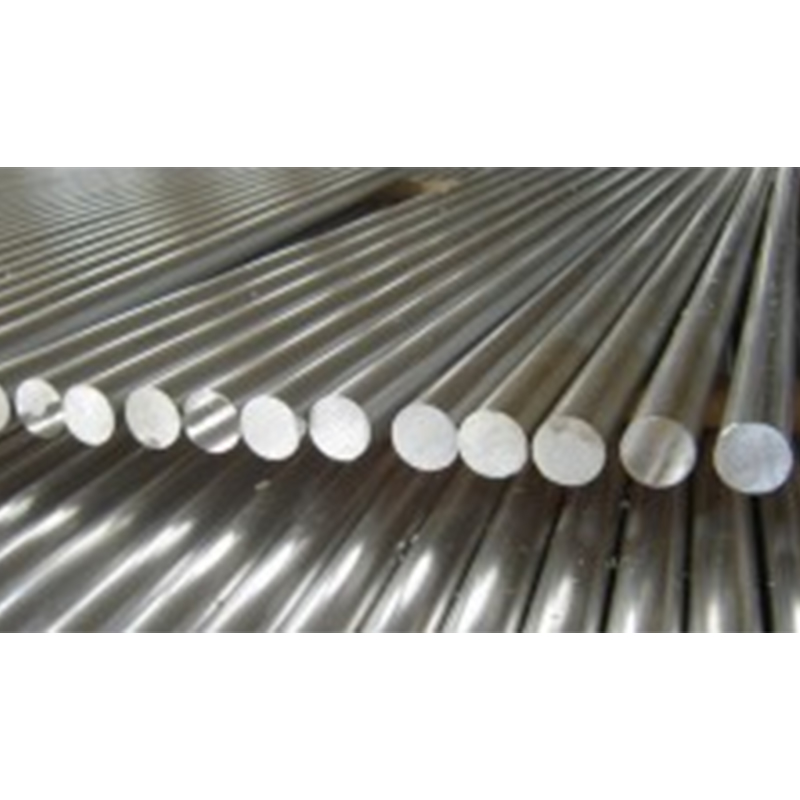
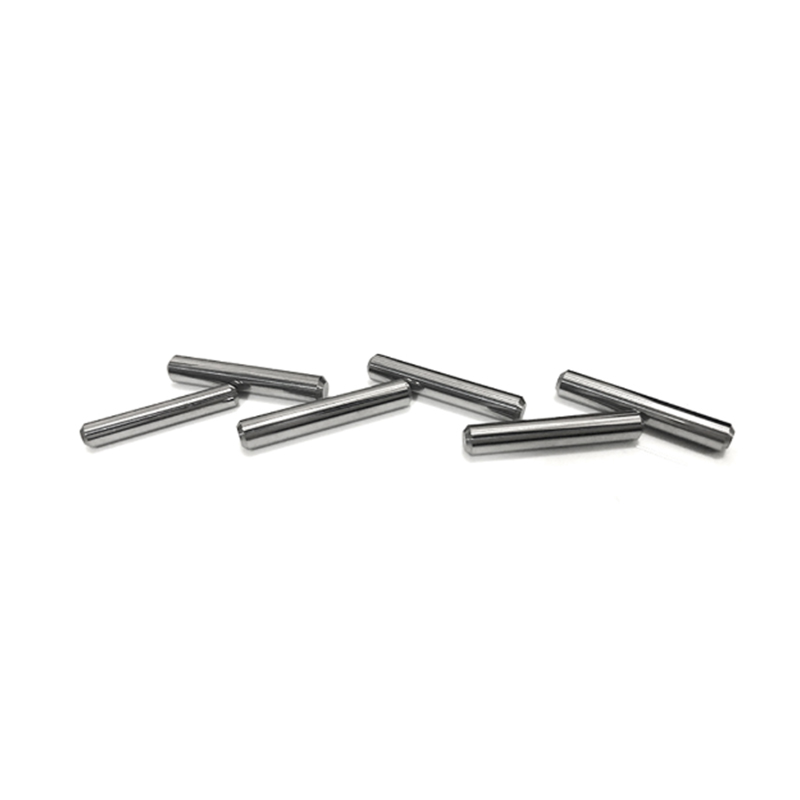
- Round bar and rod for machined fittings and shafts
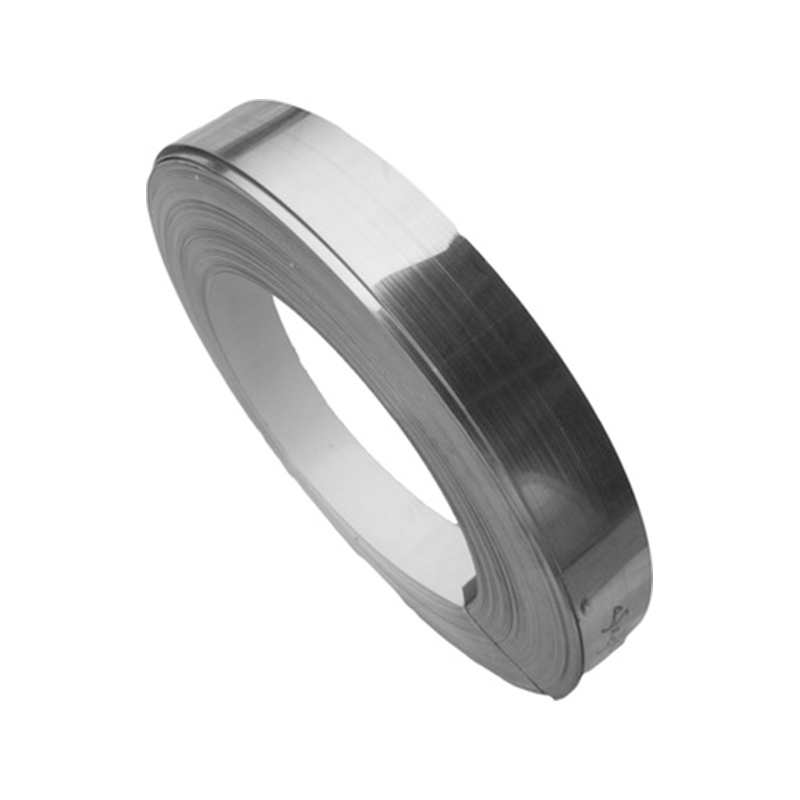
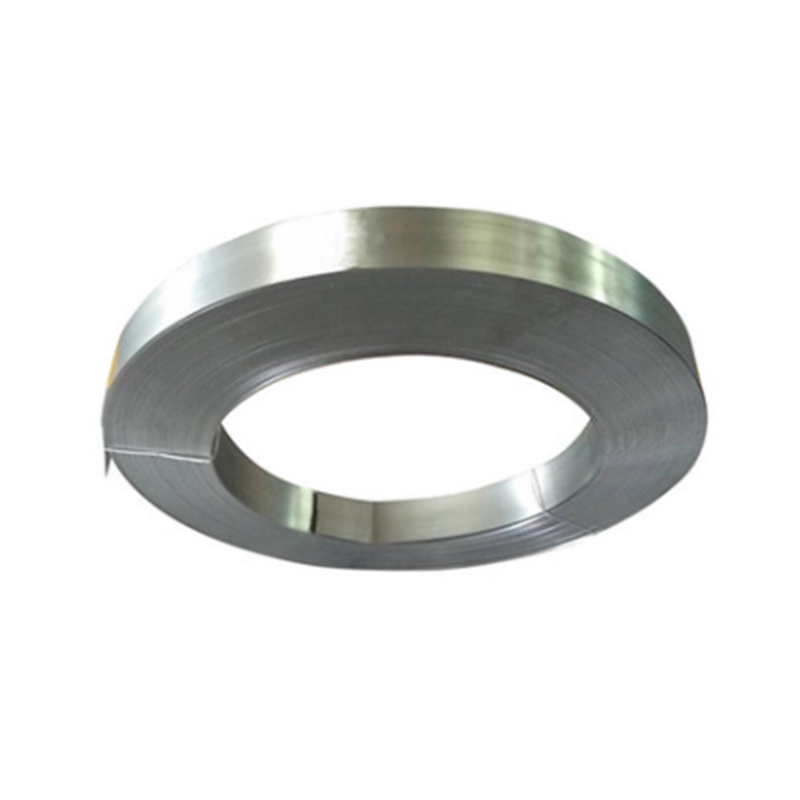
- Sheet and plate for tank linings and heat exchanger components
- Seamless and welded tubing for condensers and feedwater heaters
- Wire for Monel 400 springs and fasteners
- Forged components such as valve bodies and flanges
Monel Forging: How Monel Alloy Is Shaped for Industrial Use
Monel forging is the process of heating Monel billets or bar stock and shaping them under compressive force into components like flanges, fittings, valve bodies, and shafts. Monel forging typically takes place between 1,750°F and 2,150°F (955–1,175°C), with finishing operations performed at progressively lower temperatures to refine grain structure and improve mechanical properties.
Forged Monel components are favored over cast or machined-from-bar parts in critical applications because forging improves grain flow and reduces porosity, resulting in better fatigue resistance and structural integrity — important for subsea valves, offshore drilling components, and pump parts that face cyclic loading in corrosive environments.
Challenges in Forging Monel Alloy
Monel work-hardens rapidly, so forging operations must be carefully sequenced with intermediate annealing to avoid cracking. Sulfur contamination from furnace atmospheres or lubricants must also be tightly controlled, since sulfur can cause embrittlement at forging temperatures — a key reason reputable forging suppliers use sulfur-free fuels and coatings.
Monel 400 Springs: A High-Performance Application
Monel 400 springs are used where corrosion resistance must be combined with reliable elastic performance, such as in marine instrumentation, valve assemblies, and chemical processing equipment. While Monel 400 itself is not the highest-strength spring material, cold-worked Monel 400 wire offers a strong balance of moderate strength and exceptional resistance to seawater and acidic atmospheres, making it preferable to stainless spring wire in marine or sour-gas service.
For applications demanding higher spring force and fatigue life, Monel K-500 is often substituted because its age-hardened strength (up to 160,000 psi tensile strength) better suits the repeated flexing that springs undergo, while still retaining the parent alloy's corrosion resistance.
Monel vs Stainless Steel: Which Should You Choose?
The Monel metal vs stainless steel decision comes down to environment, budget, and required strength. Monel generally outperforms stainless steel in reducing acid environments and seawater immersion, while stainless steel is more cost-effective and easier to source for general-purpose corrosion resistance.
| Factor | Monel Alloy (400) | 316 Stainless Steel |
|---|---|---|
| Primary Alloying Element | Nickel (63–70%) | Chromium (16–18%) |
| Seawater Resistance | Excellent | Moderate (pitting risk) |
| Chloride Stress Cracking | Highly resistant | Susceptible |
| Cost | High | Moderate |
| Magnetic Properties | Non-magnetic | Non-magnetic (annealed) |
| Best Use Case | Marine, acid service | General industrial, food-grade |
When to Choose Monel Over Stainless Steel
Choose Monel alloy when equipment will face continuous seawater exposure, hydrofluoric acid service, or environments where chloride stress corrosion cracking has historically failed stainless components. Choose stainless steel when budget is the primary constraint and the environment is less aggressive, such as general food processing, architectural applications, or mild atmospheric exposure.
Common Industrial Applications of Monel Alloy
Because Monel alloys combine strength, corrosion resistance, and weldability, they appear across multiple heavy industries. The marine and offshore oil and gas sectors remain the largest consumers of Monel material, but its use extends well beyond shipbuilding.
- Marine engineering: propeller shafts, seawater piping, pump and valve components
- Chemical processing: reaction vessels and piping handling hydrofluoric and sulfuric acid
- Oil and gas: wellhead components, downhole tools, and sour-gas service fittings
- Aerospace: fuel and hydraulic system components requiring corrosion resistance
- Power generation: feedwater heaters and condenser tubing in nuclear and conventional plants
- Instrumentation: Monel 400 springs and Bourdon tubes in pressure gauges
Frequently Asked Questions About Monel Alloy
Is Monel alloy magnetic?
Standard Monel 400 is non-magnetic at room temperature. Monel K-500 can exhibit mild magnetic properties at low temperatures due to its aluminum and titanium content, but it remains non-magnetic under typical service conditions.
Can Monel alloy be welded?
Yes. Monel 400 has excellent weldability using GTAW, GMAW, or SMAW processes with matching nickel-copper filler metal. Proper cleaning before welding is essential, as sulfur and lead contamination can cause hot cracking.
How does Monel compare in cost to nickel or stainless steel?
Monel alloy generally costs more than 300-series stainless steel due to its high nickel content, but it is typically less expensive than pure nickel alloys like Inconel, making it a mid-tier option for severe-service corrosion resistance.
Is Monel alloy resistant to all acids?
No. Monel performs exceptionally well in non-oxidizing acids such as hydrofluoric acid and dilute sulfuric acid, but it has poor resistance to strongly oxidizing acids like nitric acid. Selecting Monel for a chemical process requires matching the specific acid concentration, temperature, and aeration level to published corrosion-rate data.
What is the difference between Monel and Inconel?
Monel is a nickel-copper alloy, while Inconel is a nickel-chromium alloy. Inconel generally offers superior high-temperature oxidation resistance above 1,000°F, while Monel offers superior resistance to seawater and non-oxidizing acids. The choice depends on whether the dominant threat is heat or chemical corrosion.
History and Development of Monel Alloy
Monel alloy's origin is closely tied to a metallurgical discovery rather than a deliberate formulation. In 1901, metallurgist Robert Crooks Stanley at the International Nickel Company found that smelting nickel-copper ore from the Sudbury Basin in Ontario, Canada, produced a naturally alloyed metal with a consistent ratio of roughly two-thirds nickel to one-third copper. Rather than separating the two metals through additional refining, the company recognized the commercial value of the alloy as-is and began marketing it under the trade name "Monel," honoring then-company president Ambrose Monell (the second "l" was later dropped for trademark purposes).
By the 1920s and 1930s, Monel metal alloy had found its way into kitchen sinks, countertops, and architectural panels, prized for its tarnish resistance and easy maintenance compared to stainless steel, which was still in its early commercial development. World War II accelerated demand for Monel in naval and aerospace applications, cementing its reputation as a premium corrosion-resistant material. Today, Special Metals Corporation, a subsidiary of Precision Castparts Corp (itself owned by Berkshire Hathaway), continues to hold the registered Monel trademark, though many global mills now produce equivalent UNS-designated nickel-copper alloys under their own brand names.
Manufacturing Processes for Monel Alloys
Producing Monel alloy products involves several stages designed to control grain structure, remove impurities, and achieve the dimensional tolerances required for industrial use. Vacuum induction melting (VIM) and electroslag remelting (ESR) are the two most common refining methods used to produce high-purity Monel ingots, particularly for aerospace and nuclear-grade applications where inclusion content must be tightly controlled.
Hot Working and Cold Working
After initial casting, Monel ingots are typically hot worked through rolling or extrusion at temperatures between 1,600°F and 2,150°F (870–1,175°C) to break down the as-cast grain structure into a more uniform, fine-grained microstructure. Cold working — drawing, rolling, or swaging at room temperature — is then used to achieve tighter dimensional tolerances and to increase strength through strain hardening, since Monel 400 cannot be strengthened through heat treatment alone.
Annealing
Because cold working increases hardness and reduces ductility, Monel components are often annealed between forming operations. Standard annealing temperatures range from 1,200°F to 1,600°F (650–870°C), depending on the desired balance between softness and grain size. Over-annealing can cause excessive grain growth, which slightly reduces tensile strength, so mills carefully control time and temperature during this stage.
Machining Monel Alloy
Monel alloys are known to work-harden quickly during machining, which can accelerate tool wear if cutting parameters are not properly managed. Machinists typically recommend slower cutting speeds, positive rake-angle tooling, and continuous coolant flow to minimize heat buildup and prevent the workpiece surface from hardening prematurely. For high-volume production of small parts like fittings and fasteners, the free-machining grades R-405 and 405 — which contain controlled sulfur additions — significantly improve chip formation and reduce tool wear compared to standard Monel 400 material.
Overview of the Main Monel Alloys
While Monel 400 dominates general industrial use, several other Monel alloys exist, each engineered for specific performance requirements. Understanding the differences between these grades helps engineers specify the right material rather than defaulting to the most familiar option.
| Grade | UNS Number | Key Feature | Typical Use |
|---|---|---|---|
| Monel 400 | N04400 | Baseline corrosion resistance | Piping, tanks, fasteners |
| Monel K-500 | N05500 | Age-hardenable, high strength | Springs, shafts, fasteners |
| Monel 405 | N04405 | Controlled sulfur for machining | Screw-machine parts |
| Monel R-405 | N04405 | Free-machining, resulfurized | High-speed automatic lathes |
Engineers selecting between these Monel alloys should weigh strength requirements against fabrication needs: K-500 sacrifices some ductility for strength, while 405 and R-405 trade slight corrosion resistance for dramatically improved machinability.
Industry Standards and Specifications for Monel 400 Material
Procuring Monel 400 material for critical service requires referencing the correct ASTM, ASME, or military specification to ensure traceability and quality assurance. Specifying the wrong standard can lead to receiving material with insufficient certification for pressure-vessel or offshore use, so engineers and buyers should confirm the exact specification required by their project before ordering.
- ASTM B127: covers Monel 400 plate, sheet, and strip
- ASTM B164: covers Monel 400 and K-500 rod, bar, and wire
- ASTM B165: covers seamless pipe and tube
- ASTM B564: covers forged fittings
- ASME SB-127 / SB-164: ASME-equivalent specifications for boiler and pressure-vessel applications
- QQ-N-281: a legacy U.S. military specification still referenced for some aerospace and defense procurement
When sourcing Monel forging products specifically, buyers should also request mill test certificates confirming chemical composition, mechanical test results, and — where applicable — non-destructive testing reports such as ultrasonic or dye-penetrant inspection records.
Advantages and Limitations of Monel Alloy
No material is universally ideal, and Monel alloy is no exception. Weighing its advantages against its limitations helps determine whether the added cost of Monel is justified for a given project.
Advantages
- Outstanding resistance to seawater, brine, and chloride-bearing environments
- Strong resistance to non-oxidizing acids, including hydrofluoric acid
- Good mechanical strength across a wide temperature range, from cryogenic to roughly 1,000°F
- Excellent weldability and fabricability compared to many other nickel alloys
- Non-magnetic, useful for sensitive instrumentation
Limitations
- Significantly higher material cost than carbon steel or standard stainless steel
- Poor resistance to strongly oxidizing acids such as nitric acid
- Rapid work hardening, which complicates machining without proper technique
- Standard Monel 400 cannot be hardened by heat treatment, limiting strength compared to age-hardenable alternatives
- Longer lead times in some markets due to lower production volume than common stainless grades
How to Select the Right Monel Alloy for Your Project
Choosing among Monel alloys, or deciding between Monel and an alternative material altogether, should follow a structured evaluation rather than habit or assumption. Start by identifying the dominant failure mode the component must resist — general corrosion, pitting, stress corrosion cracking, erosion, or fatigue — since different Monel grades and even different alloy families perform differently against each threat.
- Define the operating environment: document temperature range, chemical exposure, concentration, and whether the environment is oxidizing or reducing.
- Determine mechanical requirements: assess whether standard Monel 400 strength suffices or whether the higher strength of Monel K-500 is needed for fatigue or load-bearing performance.
- Evaluate fabrication needs: consider whether the component requires extensive machining (favoring 405 or R-405) or forging (favoring standard 400 billet stock).
- Confirm specification and certification requirements: identify which ASTM, ASME, or military standard the application demands.
- Compare total lifecycle cost: weigh the higher upfront material cost of Monel against reduced maintenance, downtime, and replacement frequency versus stainless steel or carbon steel alternatives.
For most general marine and chemical-processing applications, Monel 400 material remains the default starting point, with K-500 reserved for components under significant mechanical stress, such as Monel 400 springs' higher-strength counterparts, pump shafts, and fasteners exposed to both corrosion and cyclic loading.
Key Takeaways on Monel Alloy
Monel alloy remains one of the most reliable nickel-copper alloys for severe-service corrosion resistance more than a century after its discovery. Its combination of seawater resistance, acid tolerance, and reasonable mechanical strength makes it indispensable in marine, chemical, and oil and gas industries where stainless steel falls short. While the composition of Monel metal — roughly two-thirds nickel to one-third copper — has remained largely consistent since 1901, modern variants like Monel K-500, 405, and R-405 give engineers the flexibility to match strength and machinability requirements to specific applications.
When evaluating Monel vs stainless steel, or comparing Monel metal vs stainless steel for a specific project, the deciding factor is almost always the severity of the chemical environment relative to budget constraints. For applications involving continuous seawater exposure, non-oxidizing acids, or chloride-rich atmospheres, the long-term performance of Monel alloy frequently justifies its higher upfront cost.
The Corrosion Mechanism Behind Monel's Performance
Understanding why Monel resists corrosion so effectively requires looking at how it differs fundamentally from stainless steel at a chemical level. Stainless steel relies on a thin, self-healing passive layer of chromium oxide that forms on its surface when exposed to oxygen. This passive layer is highly effective in oxidizing, oxygen-rich environments but becomes vulnerable in stagnant, low-oxygen, or chloride-concentrated conditions — exactly the conditions found in crevices, under deposits, and in many seawater systems.
Monel, by contrast, does not depend primarily on a passive oxide film for its corrosion resistance. Its high nickel content provides inherent resistance to reducing environments, while copper contributes resistance to seawater and brackish water specifically. This is why Monel alloy continues to perform reliably in stagnant seawater, under marine biofouling, and in crevice-prone geometries where stainless steel often suffers localized pitting or crevice corrosion within months. Field data from offshore platforms has repeatedly shown Monel 400 valve trim and fastener components outlasting 316 stainless steel counterparts by several times the service life in splash-zone and submerged applications.
Galvanic Compatibility Considerations
Because Monel sits relatively close to titanium and stainless steel on the galvanic series in seawater, it can often be used in direct contact with these materials without severe galvanic corrosion risk. However, Monel is significantly more noble than carbon steel, aluminum, and zinc, meaning that when paired with these metals in an electrolyte like seawater, the less noble metal will corrode preferentially — a factor engineers must account for when designing mixed-metal assemblies, fasteners, or sacrificial anode systems.
Welding and Joining Monel Alloy
Monel alloy is generally considered one of the more weldable nickel alloys, but successful results depend on controlling a few critical variables. The most common welding processes for Monel 400 material are Gas Tungsten Arc Welding (GTAW/TIG) and Gas Metal Arc Welding (GMAW/MIG), typically using matching filler metal such as ERNiCu-7 to preserve the base metal's corrosion resistance across the weld joint.
Pre-Weld Preparation
Surface contamination is the leading cause of weld defects in Monel fabrication. Sulfur, lead, phosphorus, and other low-melting-point elements — even in trace amounts from marking crayons, cutting oils, or shop dust — can cause hot cracking in the heat-affected zone. Fabricators typically grind or solvent-clean a wide margin around the joint and avoid using carbon-steel wire brushes, which can embed iron particles into the Monel surface and create localized corrosion sites later in service.
Post-Weld Considerations
Unlike many stainless steels, Monel 400 generally does not require post-weld heat treatment for corrosion resistance, since it lacks the chromium-carbide sensitization mechanism that affects austenitic stainless steels. However, stress-relief annealing may still be specified for components with tight dimensional tolerances or high residual stress, particularly thick-section forgings and pressure-vessel nozzles.
Real-World Performance Data: Monel in Service
Long-term field data offers the clearest evidence of how Monel alloy performs compared to alternative materials. In flowing seawater at typical ambient temperatures, Monel 400 exhibits a general corrosion rate of less than 0.001 inches per year (approximately 0.025 mm/year), classifying it as fully resistant under standard corrosion engineering criteria. This is a significant improvement over many copper alloys and most 300-series stainless steels, which can experience pitting rates an order of magnitude higher under stagnant or low-velocity seawater conditions.
| Environment | Approximate Corrosion Rate | Rating |
|---|---|---|
| Flowing seawater | < 0.001 in/year | Excellent |
| Hydrofluoric acid (anhydrous) | < 0.002 in/year | Excellent |
| Dilute sulfuric acid (cold) | 0.01–0.02 in/year | Good |
| Nitric acid (oxidizing) | > 0.05 in/year | Poor — not recommended |
These figures illustrate why material selection should always be matched to the specific chemical service rather than relying on Monel's general reputation for corrosion resistance. A material that performs excellently in hydrofluoric acid can still fail rapidly in an oxidizing acid like nitric acid, underscoring the importance of consulting detailed corrosion-rate tables or running coupon tests before finalizing material selection for chemical processing equipment.
Monel Alloy in Marine and Offshore Engineering
The marine sector remains the most established market for Monel alloy, and for good reason. Propeller shafts made from Monel K-500 combine high fatigue strength with corrosion resistance, allowing them to withstand decades of cyclic loading in direct seawater contact without the stress corrosion cracking failures that have historically plagued some stainless steel shaft designs.
Offshore oil and gas platforms also rely heavily on Monel forging products for subsea valve bodies, wellhead components, and instrumentation housings, where equipment must survive years of submersion without intervention. In sour-gas service — environments containing hydrogen sulfide — Monel's resistance to sulfide stress cracking makes it a preferred material per NACE MR0175/ISO 15156 guidelines for oilfield equipment, provided the specific grade and hardness level meet the standard's requirements.
Shipbuilding and Hull Hardware
Beyond structural components, Monel metal alloy is widely used for through-hull fittings, seacocks, and exhaust system hardware on boats and ships, where saltwater immersion is constant and component failure can have catastrophic consequences. Many premium boat builders specify Monel fasteners below the waterline specifically because of their resistance to crevice corrosion in the tight tolerances of threaded connections.
Storage, Handling, and Maintenance of Monel Components
Although Monel alloy is highly corrosion resistant, proper handling during storage and installation extends component life and prevents avoidable contamination issues. Cross-contamination from carbon steel tools or storage racks is one of the most common, and most preventable, causes of early surface staining on Monel components.
- Store Monel bar, sheet, and fittings separately from carbon steel to avoid embedded iron particles
- Use dedicated, clean tooling — including separate grinding wheels and wire brushes — when fabricating Monel parts
- Avoid chlorinated cleaning solvents, which can cause stress corrosion cracking under certain conditions
- Inspect fasteners and Monel 400 springs periodically in high-cycle applications for early signs of fatigue, even though corrosion-related failure is rare
Following these basic handling practices ensures that Monel alloy components achieve the long service life the material is known for, rather than suffering preventable surface defects introduced during fabrication or installation rather than from the operating environment itself.
Monel Alloy in Aerospace and Power Generation
Beyond marine and chemical processing, Monel alloy plays an important role in aerospace fuel and hydraulic systems, where its corrosion resistance to aviation fuels, hydraulic fluids, and de-icing chemicals offers reliable long-term performance. Monel fittings, tubing, and fasteners are commonly specified in fuel lines because the alloy resists both the corrosive byproducts of jet fuel degradation and the harsh chemical environment created by phosphate-ester hydraulic fluids used in many commercial and military aircraft.
In power generation, particularly nuclear and fossil-fuel steam plants, Monel 400 material has historically been used for condenser tubing and feedwater heater components due to its resistance to both treated boiler feedwater and the raw seawater or brackish water often used as cooling water in coastal plants. While newer titanium and stainless steel alloys have replaced Monel in some new-build condenser designs, a substantial installed base of Monel tubing remains in service worldwide, and replacement components are still manufactured to match original specifications during plant maintenance and refurbishment projects.
Instrumentation and Precision Components
The non-magnetic property of Monel 400 makes it valuable for instrumentation housings, Bourdon tubes in pressure gauges, and other precision components where magnetic interference could compromise measurement accuracy. Monel 400 springs are frequently used inside these instruments because they combine the necessary elastic response with long-term dimensional stability in corrosive or humid environments, reducing the calibration drift that can occur with less corrosion-resistant spring materials over years of service.
Sourcing Monel Alloy: What Buyers Should Verify
Whether purchasing Monel 400 material, K-500 bar stock, or finished Monel forging components, buyers should verify several details before placing an order to avoid receiving substandard or mismatched material. Always request a mill test certificate (MTC) that documents the heat number, chemical composition, and mechanical test results, since these records provide traceability back to the original melt and are often required for regulatory compliance in pressure-vessel, offshore, and aerospace applications.
- Confirm the exact UNS designation (N04400, N05500, or N04405) matches your engineering specification
- Request third-party inspection or certification (such as PMI testing) for critical applications to confirm composition of Monel metal matches the certificate
- Verify the supplier's experience with Monel-specific fabrication, since improper handling during cutting or forming can introduce contamination
- Compare lead times across suppliers, as Monel alloy is typically produced in smaller batch runs than common stainless grades
Taking these verification steps protects against costly downstream failures and ensures that the Monel alloy delivered to your project performs exactly as the engineering specification requires, particularly for components destined for subsea, chemical-processing, or aerospace service where material failure carries significant safety and financial consequences.
Recyclability and Long-Term Value of Monel Alloy
One often-overlooked advantage of Monel alloy is its excellent recyclability. Because Monel is a relatively simple two-element alloy system dominated by nickel and copper, scrap material can be reprocessed with minimal loss of properties, unlike more complex superalloys that require extensive refining to remove unwanted trace elements before reuse. This makes end-of-life Monel components — from decommissioned ship fittings to retired chemical-plant piping — valuable scrap that mills actively seek out for remelting into new alloy stock.
From a total cost of ownership perspective, this recyclability partially offsets Monel's higher initial purchase price. Nickel, as a globally traded commodity, also tends to hold value better than many specialty metals, which means scrap Monel retains meaningful resale value at the end of a component's service life — a factor increasingly considered by procurement teams evaluating lifecycle costs rather than purchase price alone.
Comparing Total Lifecycle Cost
When engineers calculate true lifecycle cost rather than simply comparing per-pound material prices, Monel alloy often becomes more competitive than it first appears. A Monel valve component that lasts 20 years in seawater service, compared to a stainless steel equivalent requiring replacement every 5–7 years due to pitting or crevice corrosion, can deliver lower total cost despite a higher upfront price — particularly when factoring in labor, downtime, and the logistical cost of replacing components in remote offshore or subsea locations where access is difficult and expensive.
Final Thoughts
From its accidental discovery in a Sudbury Basin smelter in 1901 to its continued use in modern offshore platforms and aerospace fuel systems, Monel alloy has earned its reputation through more than a century of proven field performance. Whether you need the baseline corrosion resistance of Monel 400, the added strength of Monel K-500, or the machinability of Monel R-405, understanding the composition of Monel metal and matching it to your specific operating environment is the key to getting the performance and service life this alloy is capable of delivering. For projects facing aggressive marine, chemical, or sour-gas conditions where standard stainless steel has historically underperformed, Monel alloy continues to be one of the most dependable material choices available today.
As global infrastructure continues to expand into harsher offshore environments and chemical processing demands grow more stringent, the role of Monel alloys is unlikely to diminish. Engineers, procurement specialists, and fabricators who take the time to understand the nuances of each Monel grade — from the standard 400 alloy through K-500, 405, and R-405 — are better positioned to specify materials that deliver decades of reliable service rather than facing premature failures and costly downtime caused by mismatched material selection.
Ultimately, the question is rarely whether Monel alloy is a "good" material in the abstract, but whether it is the right material for a specific combination of mechanical load, chemical exposure, temperature range, and budget. By grounding material selection in documented corrosion-rate data, recognized industry specifications, and a clear understanding of the Monel metal composition at the elemental level, engineering teams can confidently deploy this nickel-copper alloy where it delivers the greatest long-term value — and avoid it where alternative materials would serve the application more economically. Keeping a reference table of Monel metal composition alongside the project's environmental and mechanical requirements remains one of the simplest, most effective steps a buyer or engineer can take before finalizing a material order.
For teams still weighing Monel against other corrosion-resistant alloys, the most practical next step is to request sample corrosion-rate data specific to the actual process fluid, temperature, and concentration involved, rather than relying solely on general published tables. Reputable Monel suppliers and metallurgical labs can often provide immersion-test results or refer to documented case studies from similar installations, giving project teams the confidence that their chosen grade of Monel alloy will perform as expected over the full intended service life of the equipment.
Aanbevolen artikelen
Nieuws
-
-
De monel-samenstelling is voornamelijk een nikkel-koperlegering, meestal bestaande uit ongeveer 63-70% nikkel en 28-34% koper , met kleine toevoegingen van ijzer, mangaan, ...
READ MORE -
Wat is Monel-metaal? Het directe antwoord Monelmetaal is een groep nikkel-koperlegeringen die ongeveer 63-70% nikkel en 27-34% koper bevatten , met kleine toevoegingen van ijzer, ...
READ MORE
Auteursrecht © Danyang Haiwei Electrothermal Alloy Co., Ltd. Alle rechten voorbehouden
 OEM/ODM-nikkelgebaseerde fabrikanten van hogetemperatuurlegeringen